An attempt at woodwork

Claude, a new guy at the painting club, brought along a painting he’d done on a toile, or a canvas stretched onto a wooden frame. Most of us work on toiles, myself included. Claude’s very good, but what made his painting look so professional was the framing, a simple wooden frame around the edges. He’d done it himself and assured us that it’s really easy to do; he told us the dimensions of the wood he’d used, described how he’d done it and promised to demonstrate the following week. I don’t know why, but we haven’t seen him since; maybe we scared him off!

Nick always said framing was easy; you just had to get the angles right for the mitred corners. I thought I’d have a go.

I bought some wood, Kieran gave me a saw, a jig for cutting the corners, clamps and some nails and in my tool box I found a little hammer and a strapping device to hold it all together once it was glued up.

I cut some lengths of wood, (this turned out to be a remarkably strenuous activity!) and started to glue and nail them together to give the required profile, but for all my hammering, nothing seemed to happen, except when I missed the nail completely and hit my thumb instead! Another dig through my tool box unearthed a bigger hammer, this one weighing in at over a kilo; surely that would do the trick, though I definitely didn’t want my thumb in the way this time. I held the nails in place with pliers; much better, this hammer was the business! However, the nails were a fraction too long. I tried putting them in at an angle, but just ended up with a pile of bent nails; that skill is way beyond me. Back to the DIY shop for shorter nails; now I was getting somewhere.
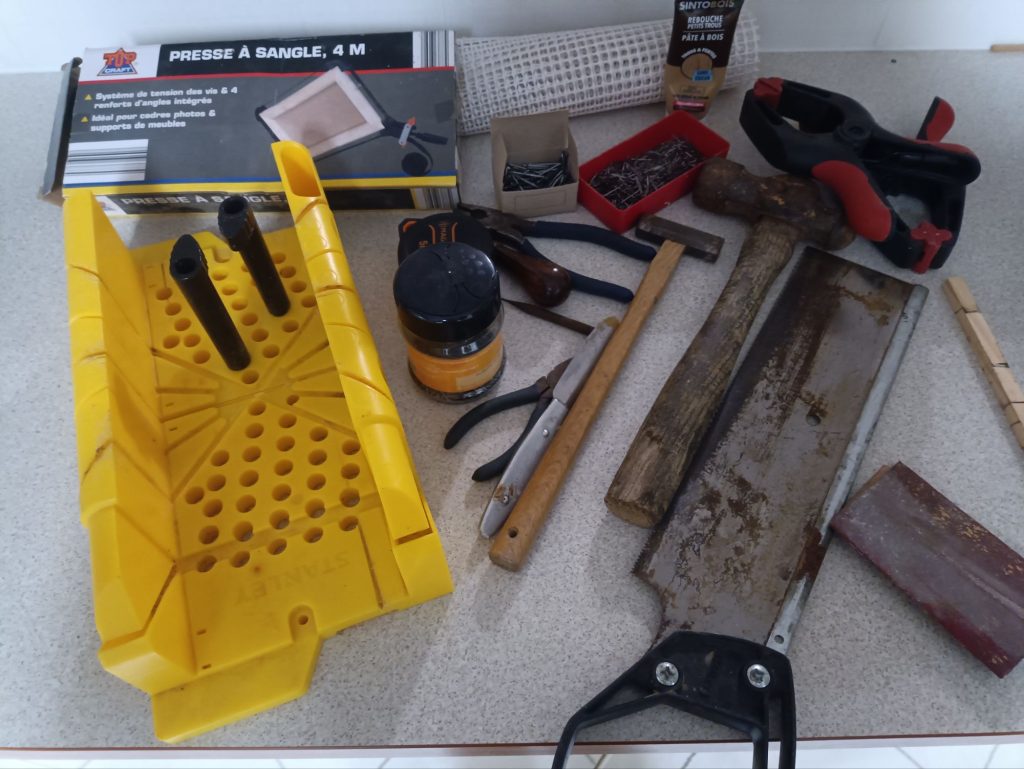
Tool kit

Once the lengths were glued together, I started to cut the mitres. The first end is easy, but getting them to precisely the right length proved very difficult and I had to buy more wood as I sometimes cut them a millimetre or two too short. It didn’t help that once I cut the angle at 90° to where it should have been!

I persevered and eventually an older painting was framed and acceptable if you don’t look too closely at the corners.
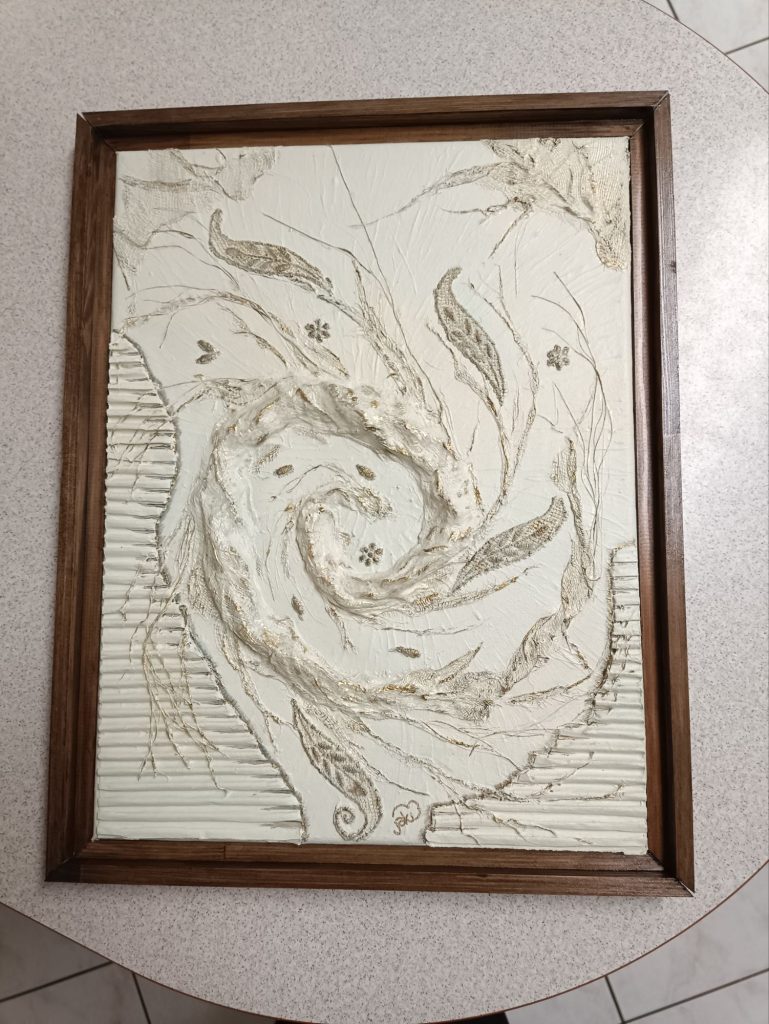
First attempt, two of the corners are ok.

Next were two for the exhibition that starts tomorrow. One I painted red once I’d cut all the pieces, the other black. I did a lot of sanding to make the corners fit together as neatly as I could, then touched up the paint where necessary.
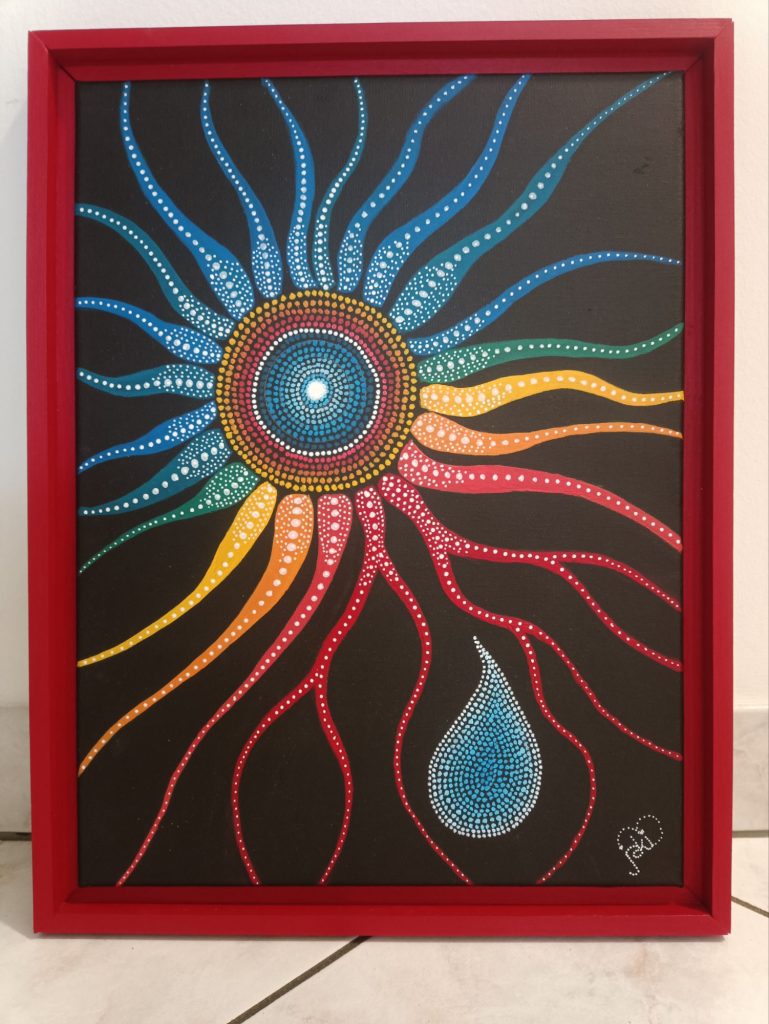
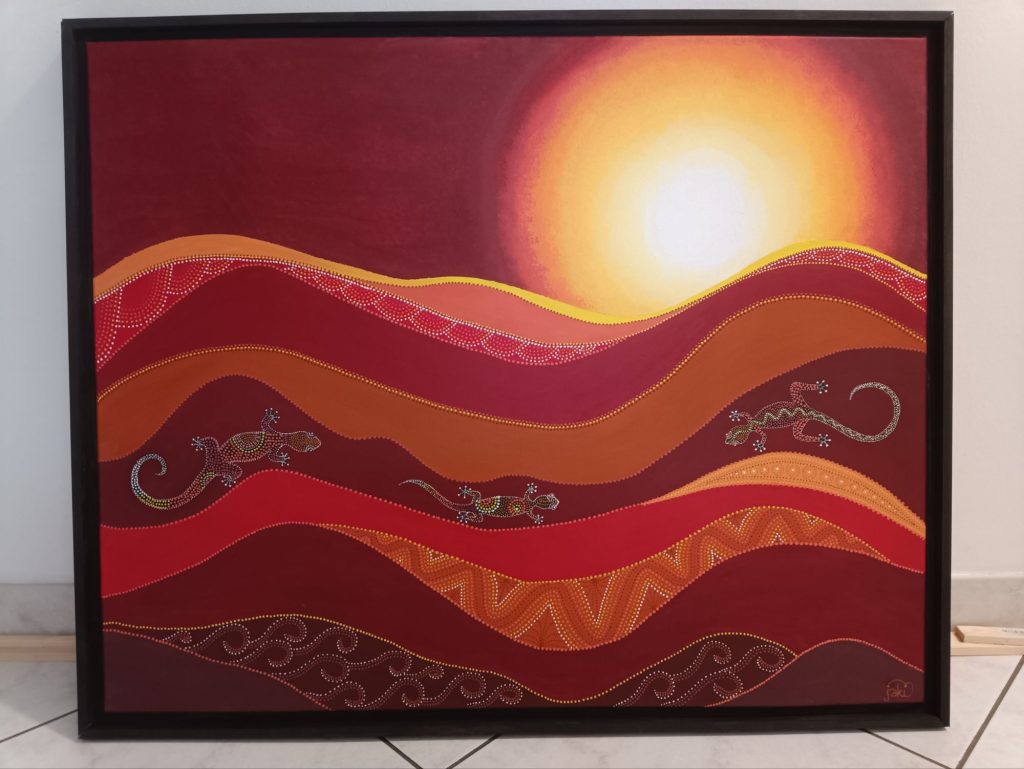
They’re far from perfect, but I can only improve from here and I do like the effect the framing gives, they look more complete somehow.

I’ll be pleased to put away the tools and have my kitchen work surface back, but I think I’ll frame future paintings.
Nearly….. must try harder

The painting club’s spring exhibition is always themed, so in October a suggestions box appears in the studio, anyone can suggest a theme. A few weeks later, we have a meeting to vote on the theme; I was surprised when my suggestion (I’d like to go to…….) won.

There’s no obligation to do a painting on the chosen theme, except for the caveat that those who voted for it are expected to produce a piece to be exhibited on the stage area; this must be 60 x 80cm.

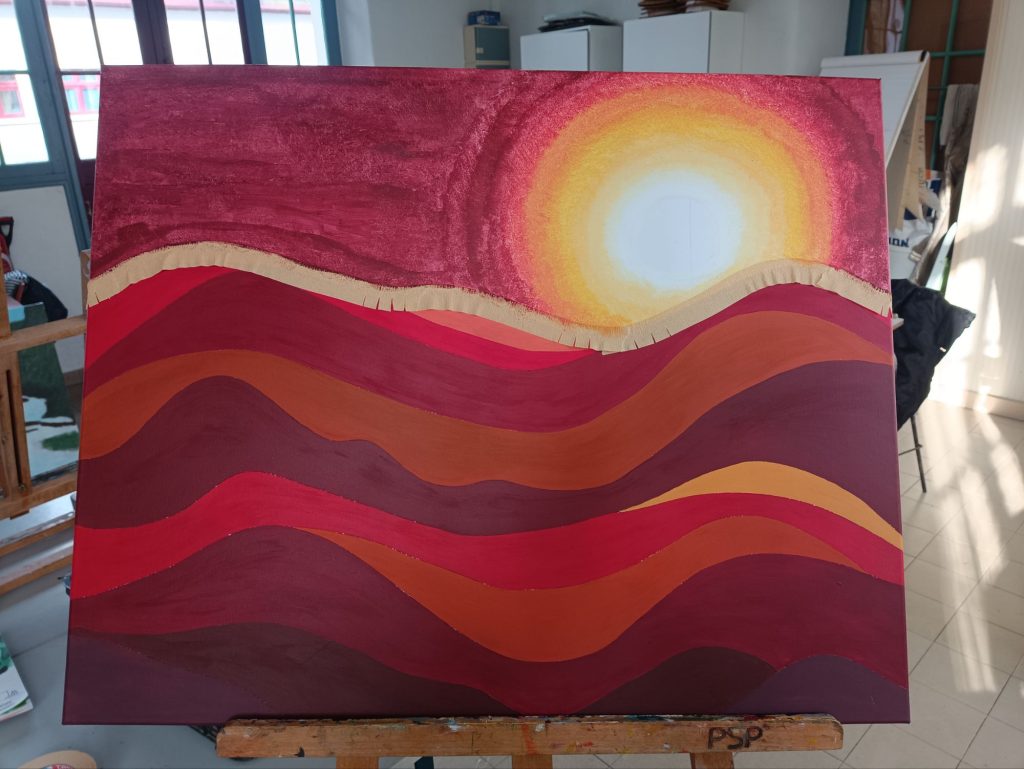
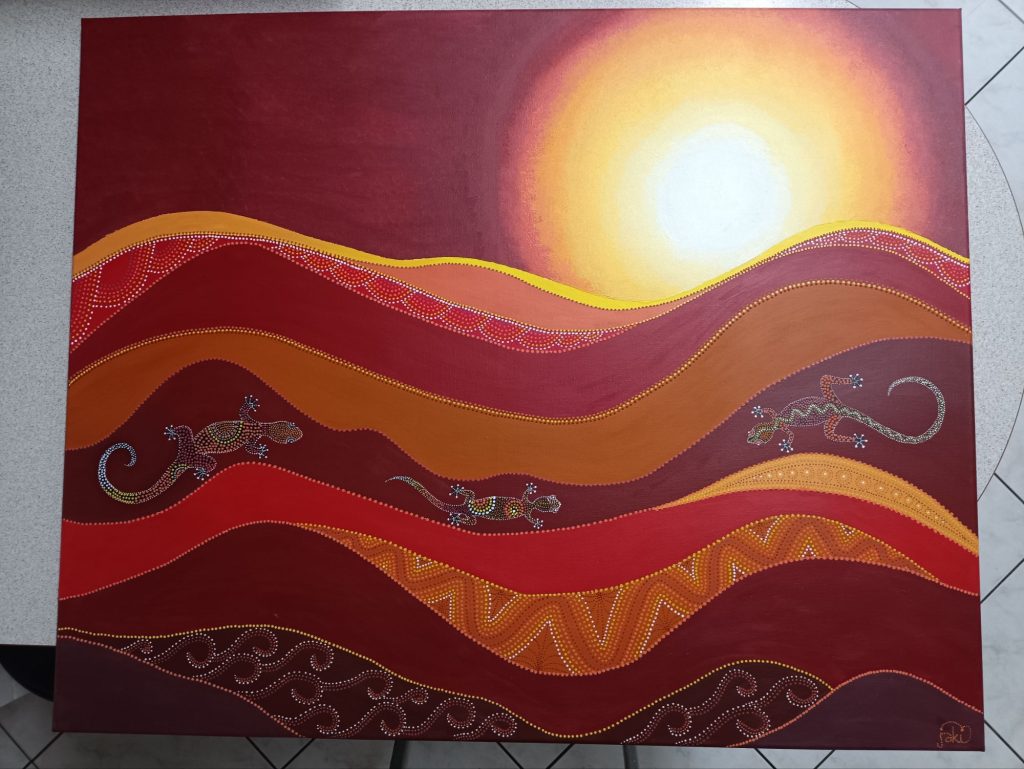
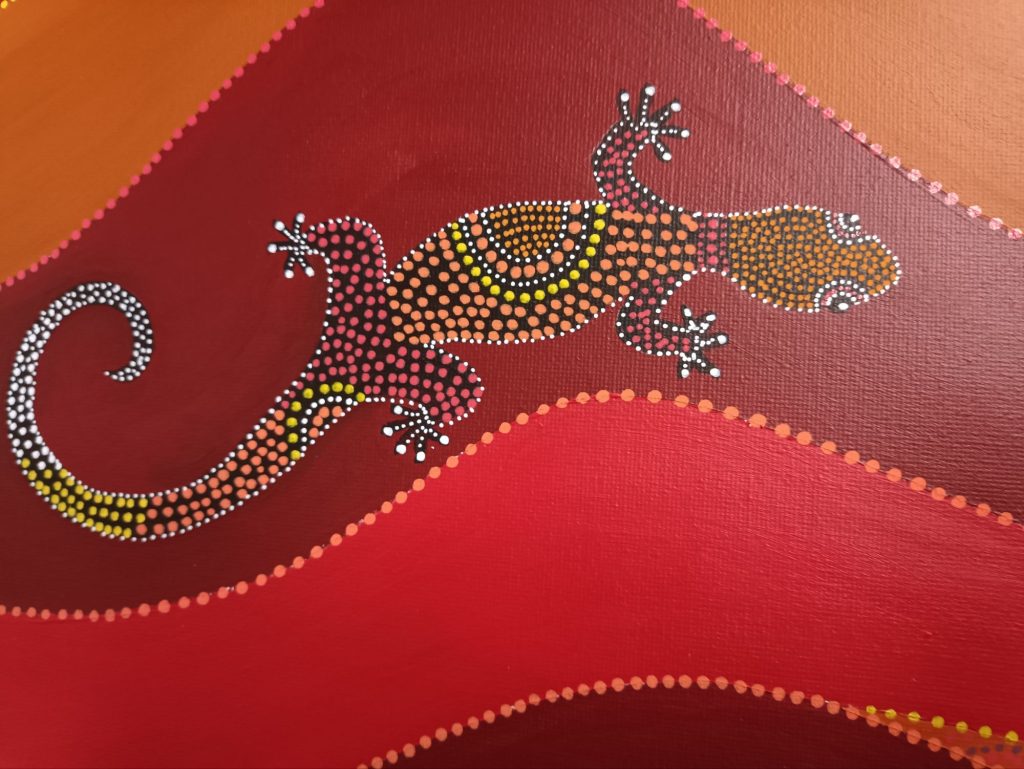
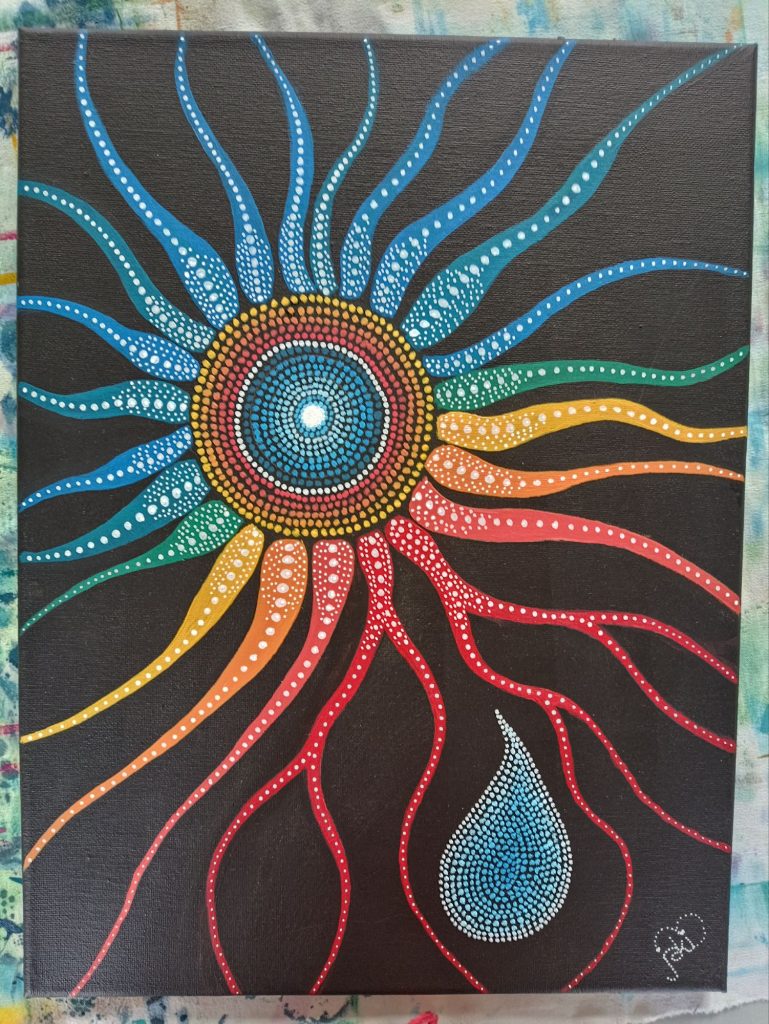
I’ve never done anything bigger than 30 x 40cm before, so the prospect filled me with dread. I bought a canvas – it looked enormous – how on earth would I fill it? I’m no great painter, so it would have to be fairly simple; I thought maybe I could do something sort of Aboriginal, with lots of dots. I tried out the technique on a smaller canvas and was happy with the result; now it was time to tackle the real thing.

Trial run

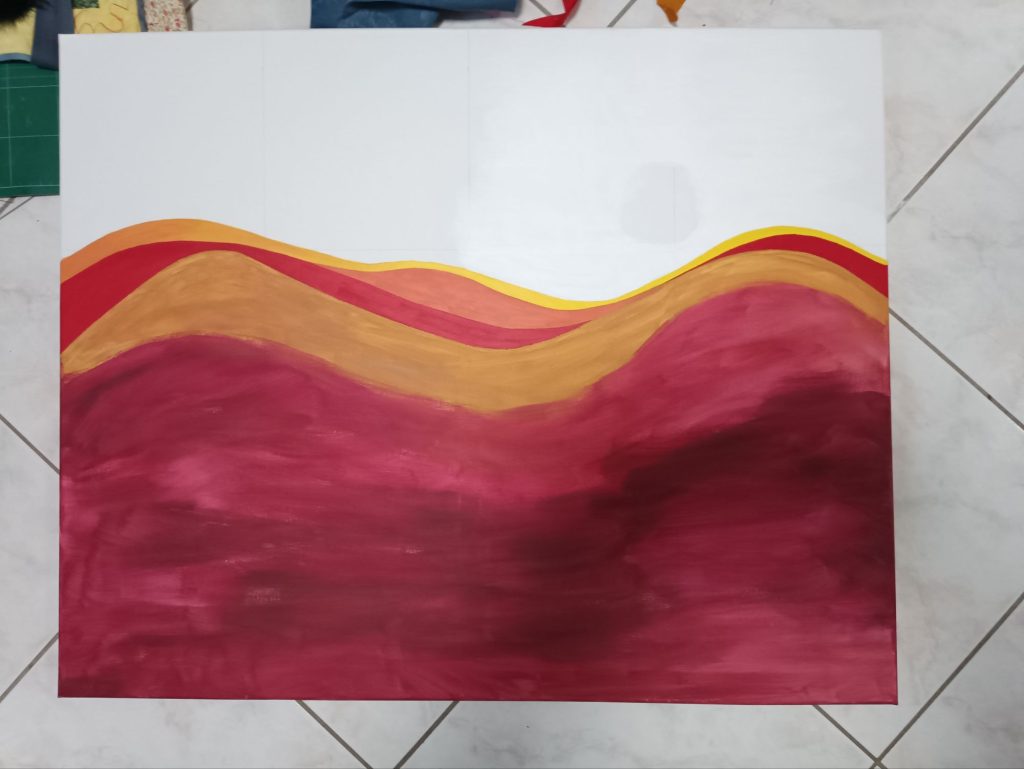
I asked a couple of people how to achieve a graduated colour effect, but their techniques didn’t work for me, so in the end I just slapped some paint on and dabbed at it with kitchen roll – maybe not a recognised technique, but it worked for me! The next problem was achieving nice clean lines between the colours, but I found bendy masking tape, which solved that one.

The date of the meeting to choose a painting for the poster was announced; could I finish in time? Yes, the base was done and I’d started the dots.

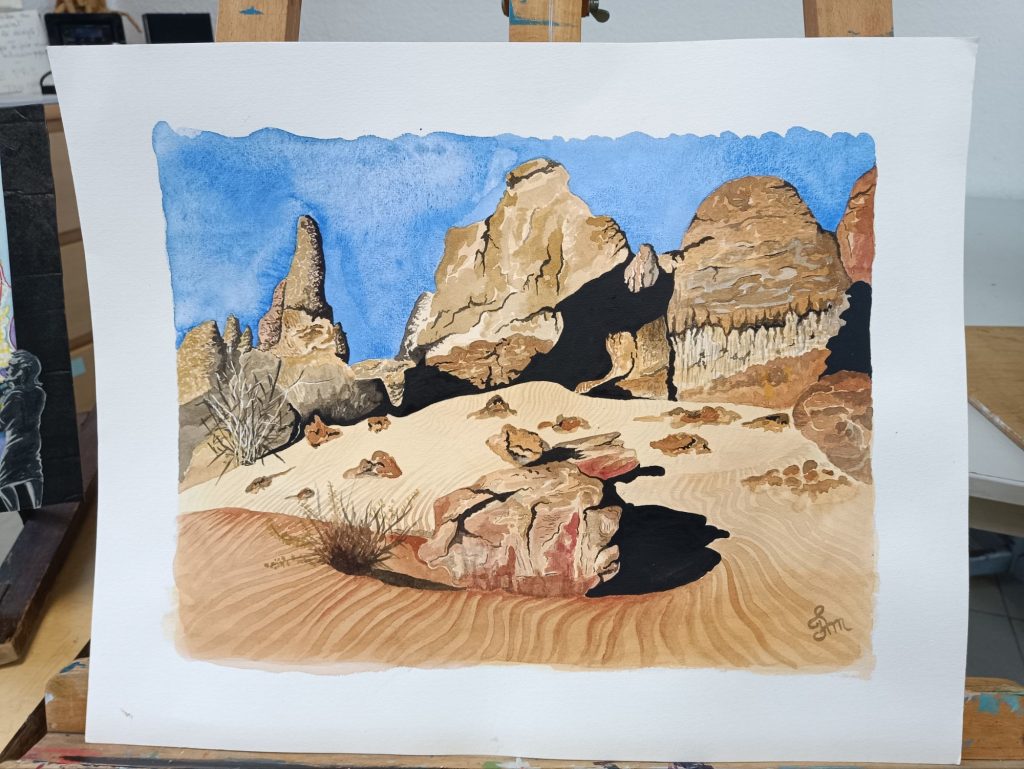
Little by little, through many hours, over several days, it came together and I’m very pleased with it; I took it to the meeting, not with any great hopes, normally my efforts get one or two votes. However, in the first round I shared first place with Fabienne;  in the tie break she beat me soundly, with 13 votes to my 8. Disappointing, yes, but better than I’ve done before

My painting, finished
Detail
The winner
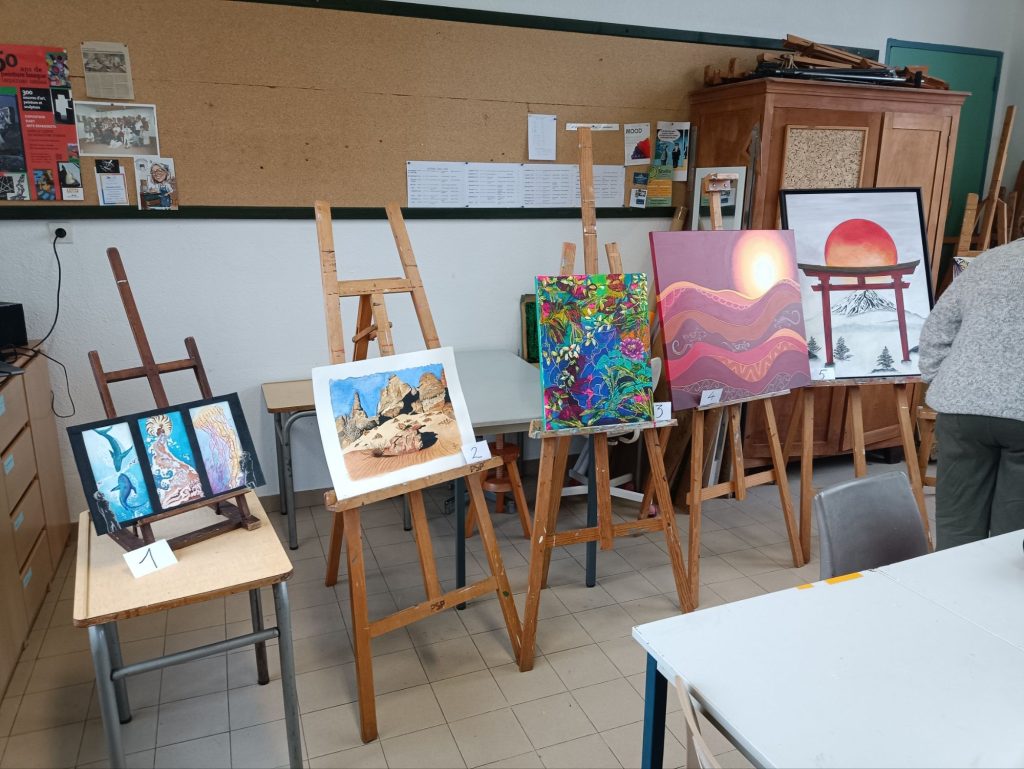
The contenders

Weird weather

Once storm Nils had passed, within a few days storm Pedro arrived; more trees came down, the sound of chainsaws was everywhere as teams of orange clad men worked to clear the devastation. And still it rained. It had been raining for weeks already and showed no sign of stopping.

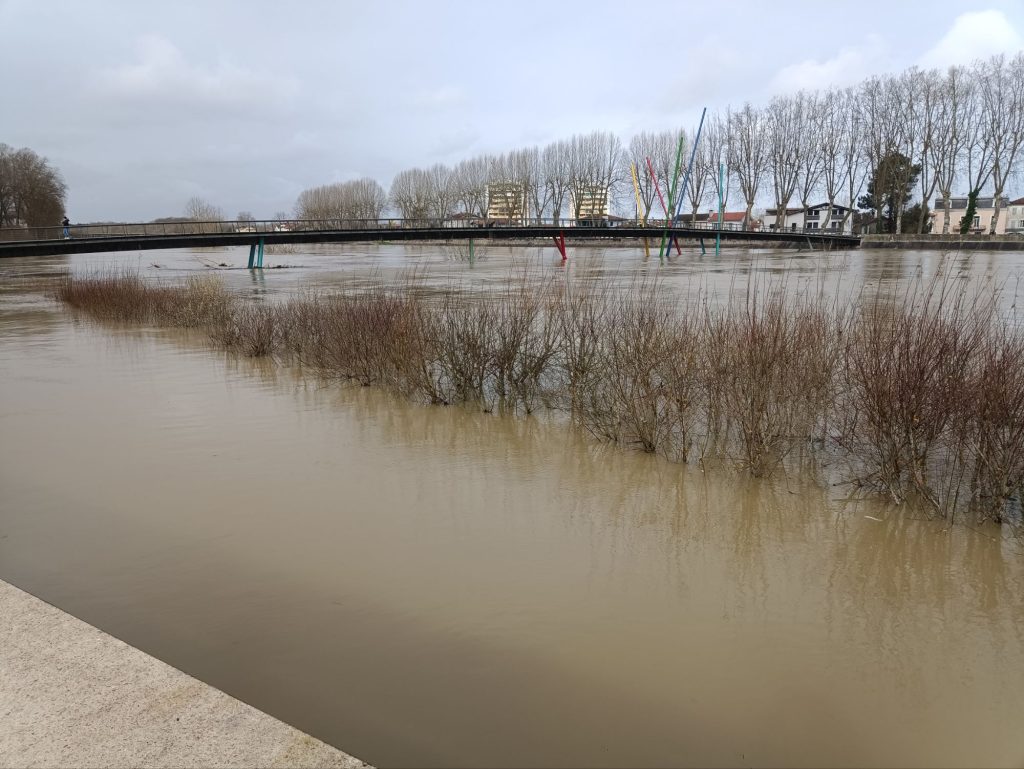
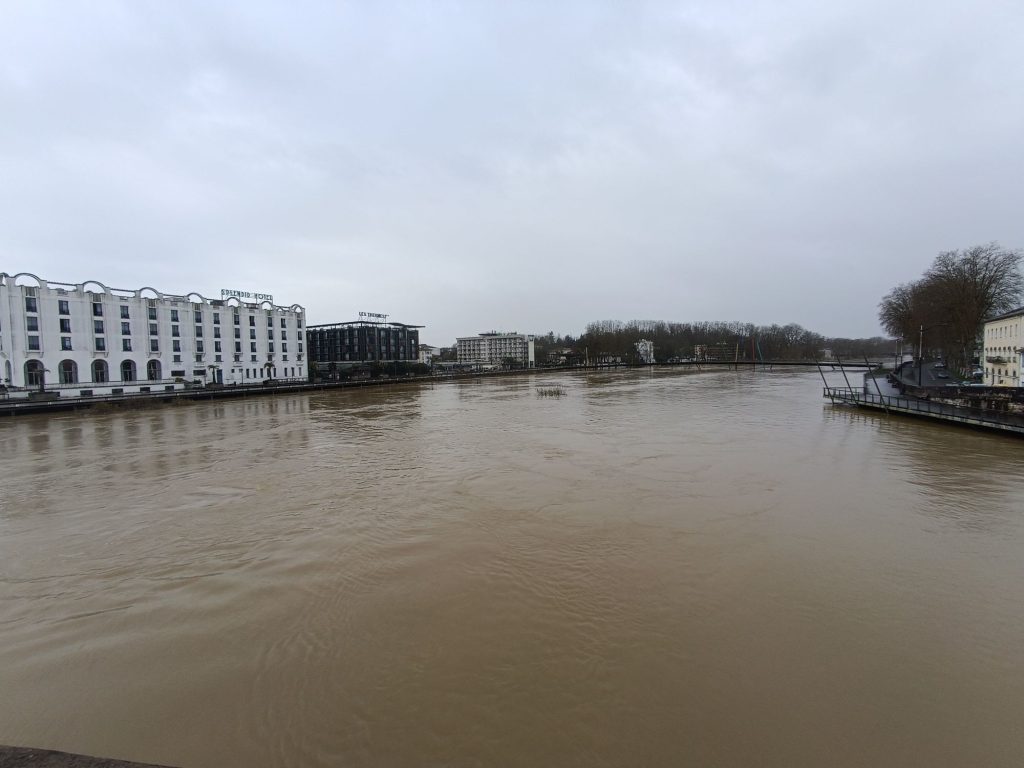
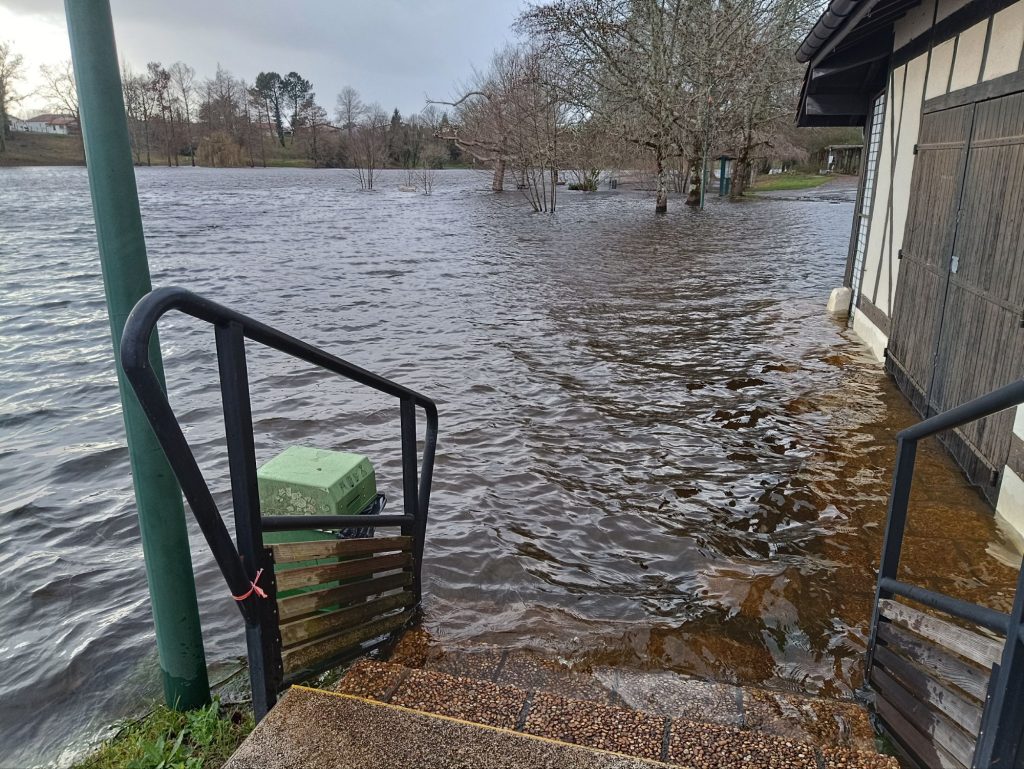
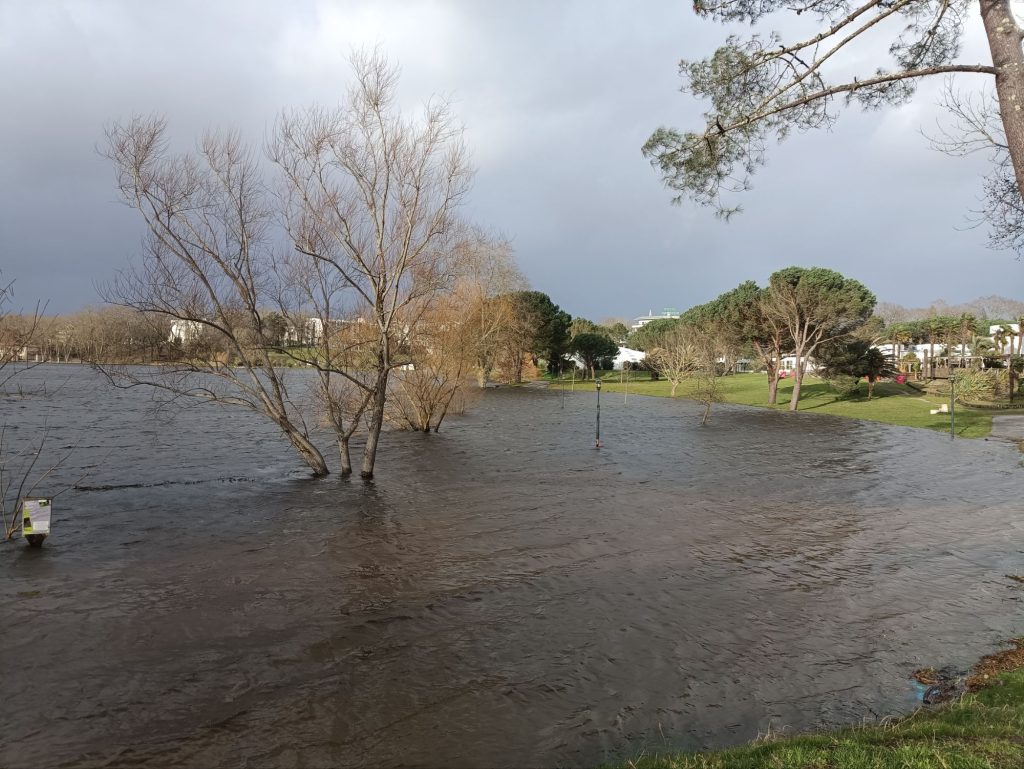
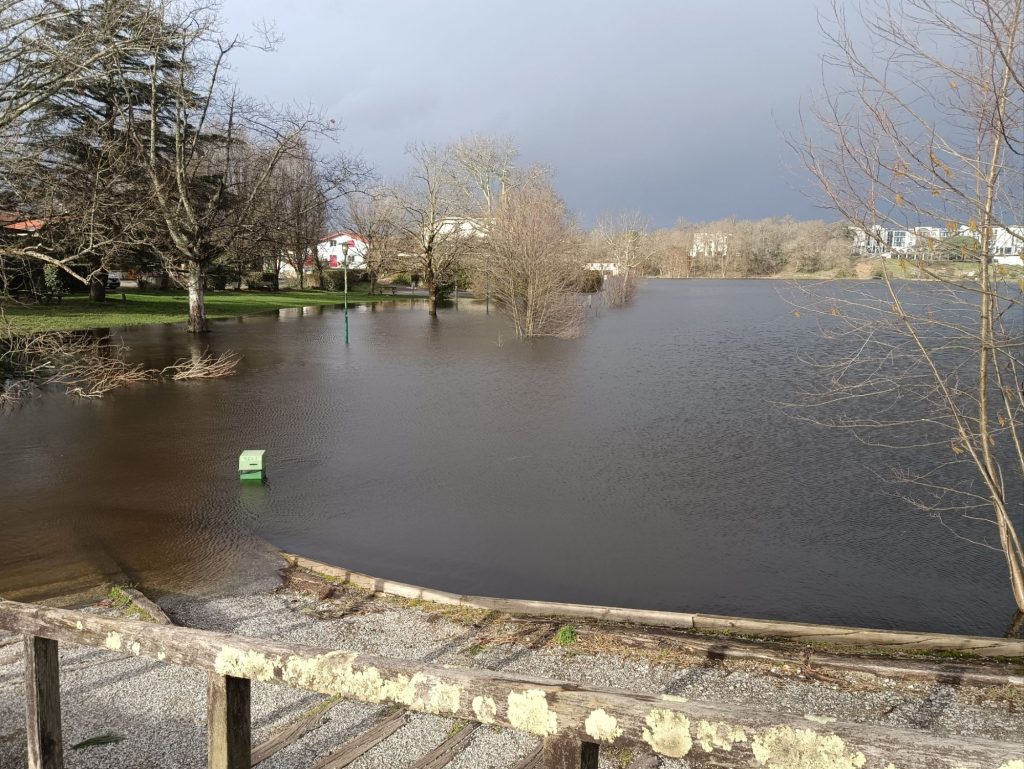
The river Adour in Dax swelled to many times its normal width, flooding the paths and little roads that run alongside it, and all the underground car parks belonging to the riverside hotels had to be evacuated as they were inundated.

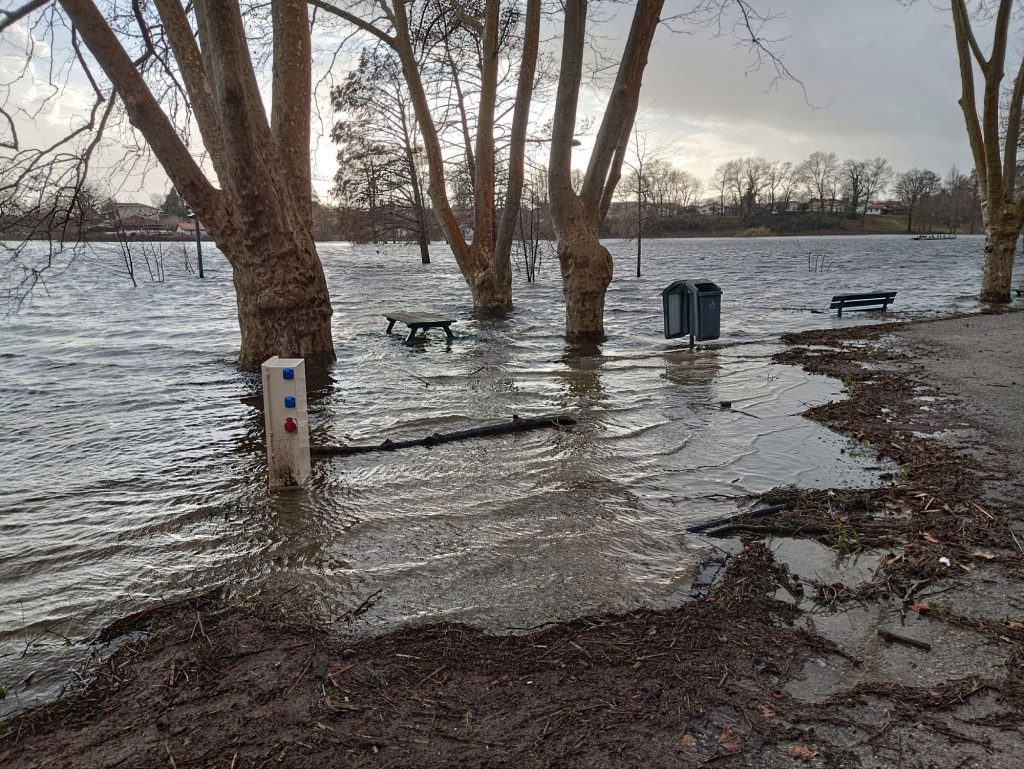
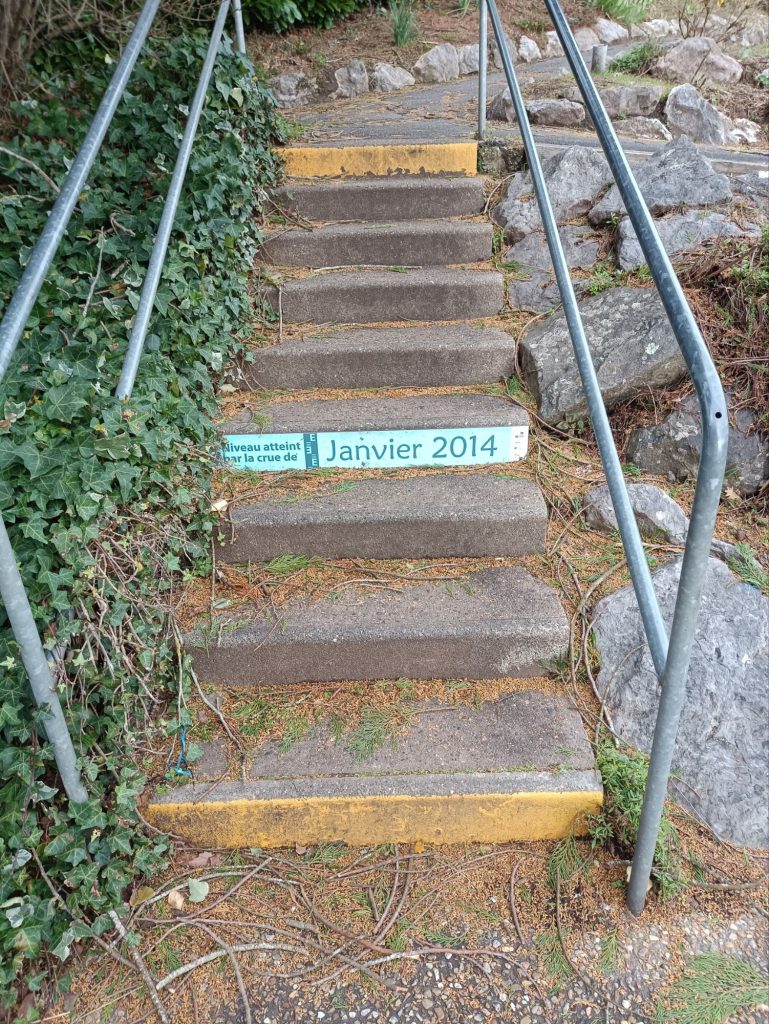
Most of the paths around the lake in St Paul were submerged. I went to have a look one day; the building from which they rent canoes and kayaks in the summer was inches deep in water, the path in front of it completely flooded, so I turned to take the steps leading up through the gardens. Halfway up the steps I noticed a sign marking the flood level in 2014, at least 1 metre higher than this year! It seems this flood was nothing special after all.

Eventually the rain stopped and the water level returned to normal surprisingly quickly, the “high tide” piles of detritus being the only remaining evidence of the flood.

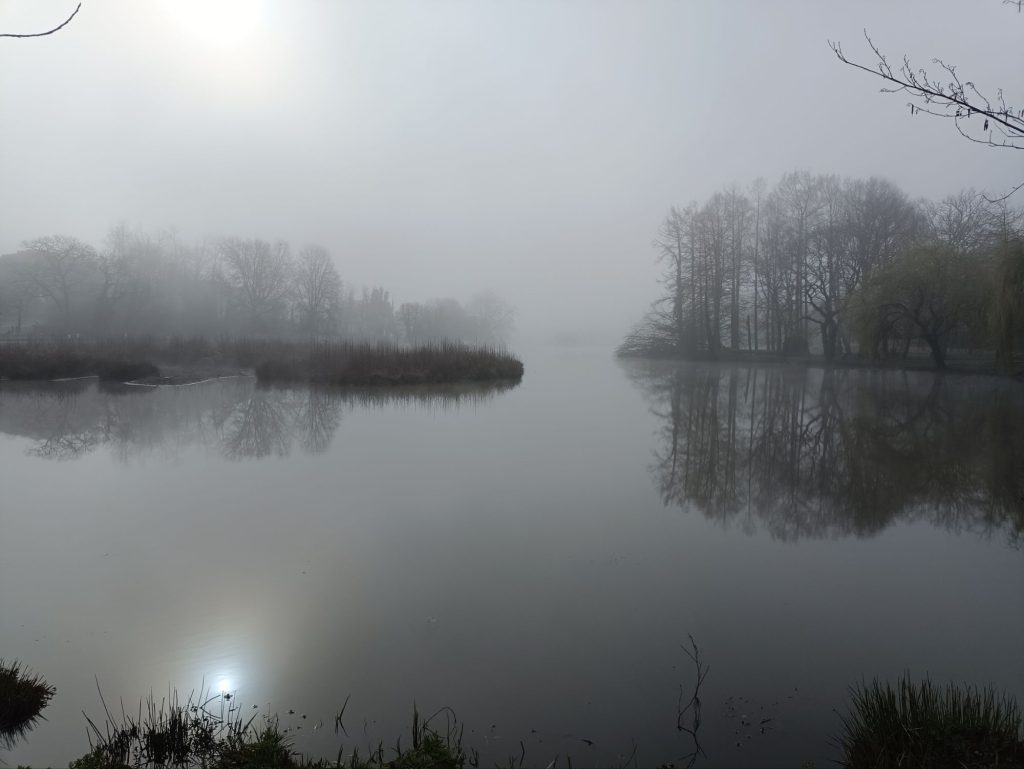
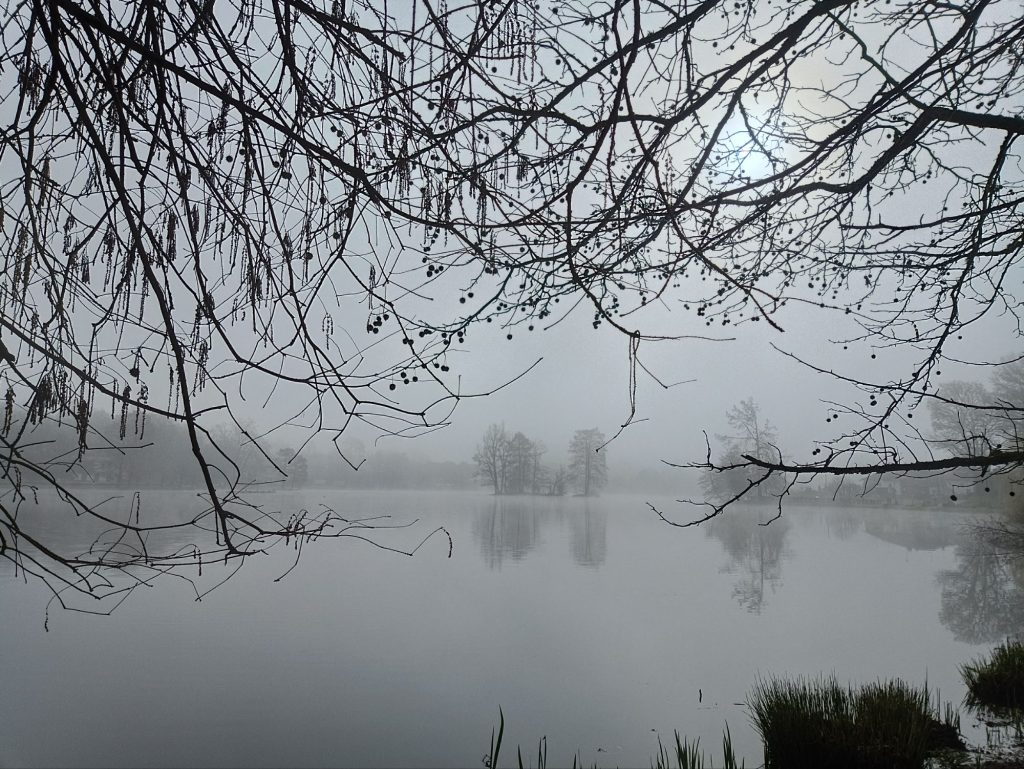
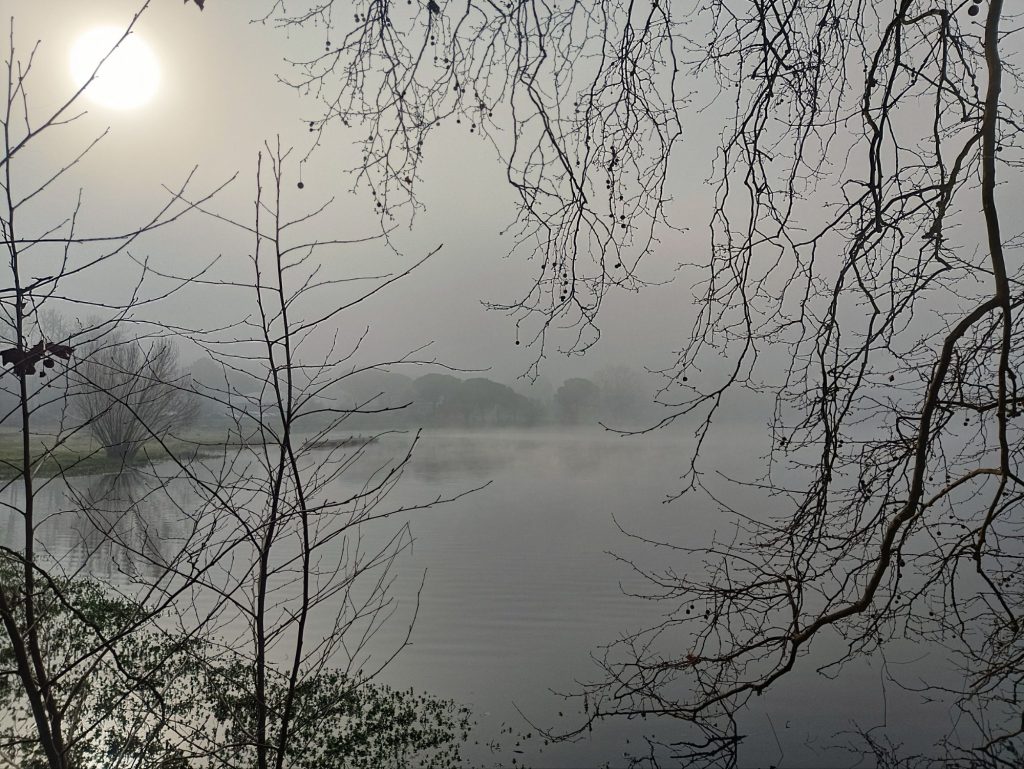
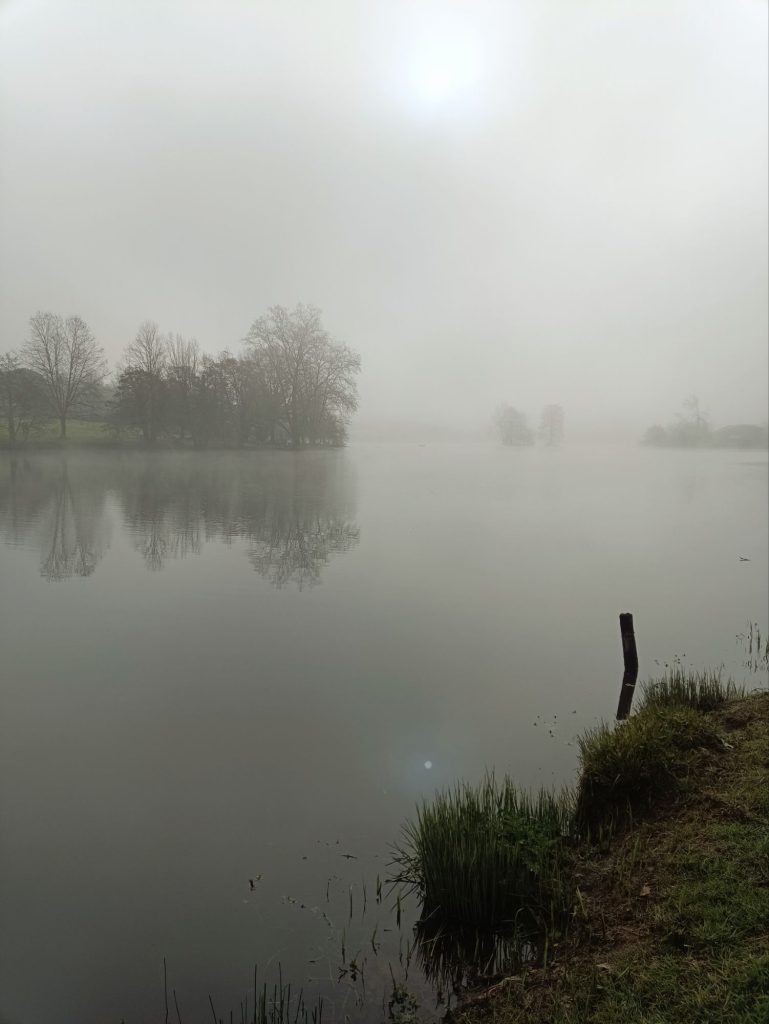
Next we had a week of what felt like summer; 25°C in the afternoons. It was lovely, I’m not complaining, but that’s not normal for February. Now it’s back to normal; we’ve had some cold, misty mornings followed by lovely days, the birds are singing their little hearts out and spring is on the way.